Every January, millions of people set resolutions, only to watch them fade by February. Whether it’s saving for a big purchase, building wealth, or improving your health, the challenge isn’t setting the goal, it’s sticking to it. So how do you make your goals “sticky”? Here’s a proven framework to help you stay on track.
- Start with Your Why
Before you dive into numbers or timelines, ask: Why does this goal matter?
For example, if your goal is to save $45,000 for a car for your daughter, your “why” might be safety, reliability, and peace of mind. A strong emotional connection makes it easier to stay committed when temptation strikes.
- Make It SMART
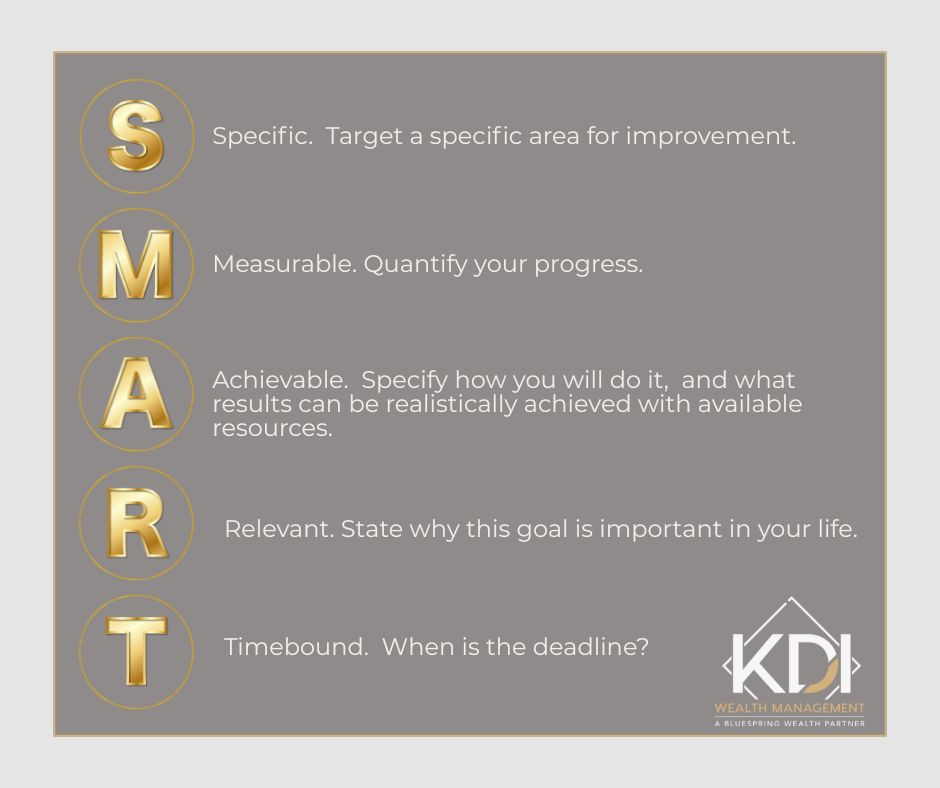
SMART goals are:
- Specific – Define exactly what you want (e.g., “Save $45,000 for a car”).
- Measurable – Track progress (e.g., monthly savings targets).
- Achievable – Ensure it’s realistic given your resources.
- Relevant – Align with your priorities and values.
- Time-bound – Set a deadline (e.g., “Within six months”).
- Identify Obstacles—and Plan Ahead
Life happens. Unexpected expenses, spending habits, or even decision fatigue can derail progress. List potential obstacles and create strategies:
- Obstacle: Emergency expenses → Strategy: Build an emergency fund first.
- Obstacle: Overspending → Strategy: Automate savings and avoid impulse buys.
- Obstacle: Market or pricing issues → Strategy: Research options early and have backup plans.
- Prioritize Action Steps
Break big goals into small, actionable tasks. For example:
- Set up automatic transfers to savings.
- Research car models and trade-in values.
- Block time for financial check-ins.
Small habits compound over time - this is the essence of habit stacking.
- Keep Your Vision Front and Center
When motivation dips, revisit your “why.” Paint a vivid picture of the outcome, whether it’s driving your daughter in her new car or enjoying financial freedom. The deeper your reason, the stronger your resilience.
Bottom Line:
Sticky goals aren’t about willpower, they’re about clarity, planning, and emotional connection. Define your purpose, make it SMART, anticipate obstacles, and take consistent steps. Whether it’s a car purchase or a major business investment, this approach works.